
CREO KYRA
Style and versatility
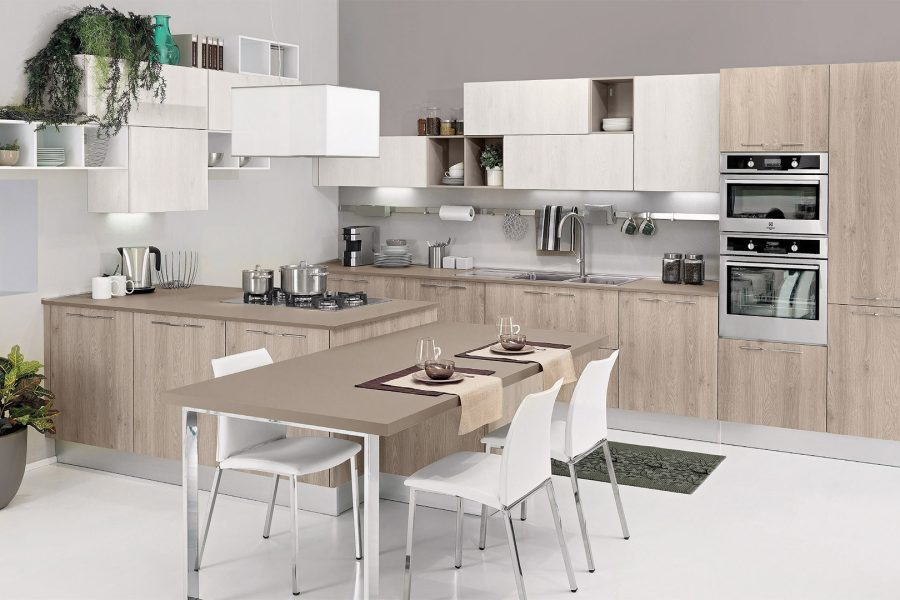
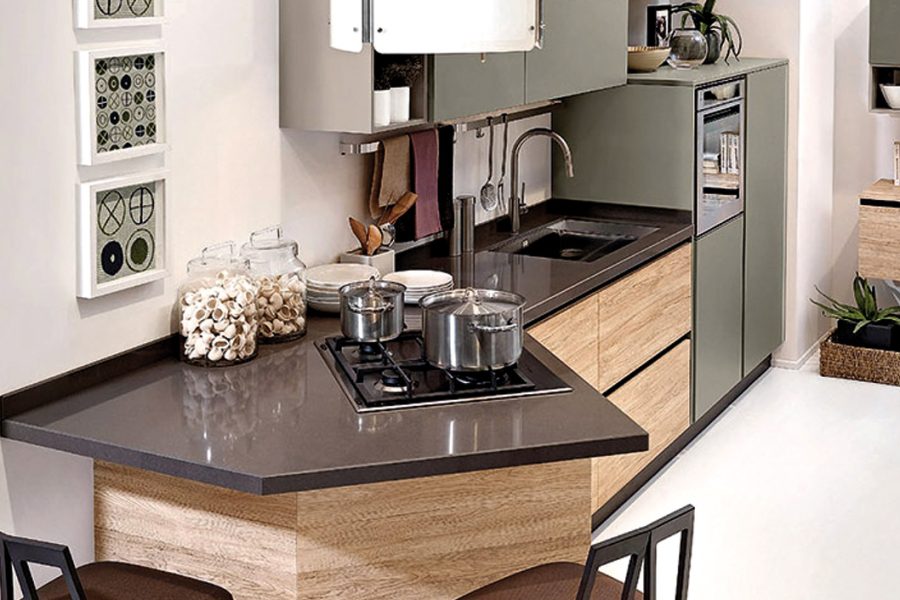
The Creo modern kitchen offers the widest range of options, a veritable "finishing system" of handles and doors to choose from, allowing you to find the kitchen composition that best suits your needs and tastes, reflecting your personality and adapting to the environment in which it will be placed. Original and creative Creo kitchen, all compositions are a perfect balance of elegance and character, versatility given by the multiple materials available: vintage effect synchro pore melamine, matt or textured wood polymer, glossy polymer, glossy or soft matt lacquer in 30 modern colors, glossy glass effect acrylic...Various handles available in multiple colors, various plinth colors, and absolute modularity with any material for the worktop. A modern kitchen that is extremely functional and reliable, a quality product, made in Italy.


Technical specifications
Melamine door
Melamine doorsare made from raw chipboard (or other recycled wood-based composites) covered on one or both sides with melamine paper, a synthetic material consisting of very thin sheets of paper (around one-tenth of a millimeter thick) impregnated with melamine-based resin. The use of this paper means that the melamine-faced panel is often called a melamine panel. Initially used as an economical substitute for "real wood" or plastic laminate, today, thanks to the development of increasingly realistic papers that can simulate the pores of wood by creating roughness, the remarkable hardness and resistance to scratches and solvents of the surfaces, and the ease and speed of processing, this product is highly appreciated and widely used in the world of furniture.
Only neutral products (i.e., neither acidic, such as bleach, nor basic, such as ammonia) that do not contain abrasive pastes should be usedto clean products made ofmelaminelaminate. We recommend using glass cleaning products, rubbing the doors with a soft cloth and these detergents.
Lacquered door
Doorspainted with opaque products are called lacquered: they stand out for their preciousness and aesthetic impact. Lacquer can beglossy or matte(the unit of measurement for gloss is expressed in "gloss" units). There are different categories of lacquering: the differences are essentially attributable to the thinner used to apply the base resins (acrylic or polyurethane) and the method used to harden the paint. A protective film is always applied to the finished product to ensure its safety. Lacquered doors allow for a wide variety of colors and special effects/textures, so much so that in some cases it is even possible to apply RAL sample lacquers, but they require specific care and attention in terms of use and maintenance to avoid scratches, stains, scuffs, and discoloration.
Lacquered doors require a few basic rules of use and maintenance. Normal cleaning should be done with a soft, slightly damp microfiber cloth. For stains, a neutral liquid detergent, such as a glass cleaner, can be added to the damp cloth. Do not use abrasive products (creams and powders) or those containing aggressive substances such as alcohol, acetone, trichloroethylene, bleach, ammonia, and derivatives. Also avoid using rough cleaning tools, such as abrasive sponges or scouring pads, which would irreparably scratch the doors.
Polymeric door
Polymer doorsare made of a medium-density fiberboard (MDF) panel whose surface is coated with a synthetic material or PVC of varying thickness, giving the panel an attractive appearance and making it highly resistant to liquid infiltration and impact. Polymer sheets can be plain or printed with a wood pattern. Polymer allows for continuous coating of both the front of the door and the four side edges.
To clean this type of door,you can use a soft cloth and a non-abrasive cleaning product or a microfiber cloth. For more stubborn dirt, you can use soft brushes and sponges with non-abrasive liquid detergents or glass cleaners with the addition of water, usually 50%. For limescale stains, simply use detergents containing acetic acid or citric acid, or, for lighter stains, warm water. Do not use steel wool pads or products containing abrasive creams or powdered detergents.
Anta Glaks
TheGlaksdoor is an acrylic door made from an MDF (medium-density fiberboard) panel covered on the outside with matt Glaks acrylic or glossy Glaks acrylic, while the inside is covered with matt methacrylate (PMMA) in the same color as the outside. It is edged on all four sides with a matching matte ABS edge and embellished with a glass-effect bevel, in matte or glossy colors. Glaks can be defined as organic glass with the same aesthetic characteristics as glass (transparency, brilliance, or opacity), but with a number of important advantages in terms of strength and safety: it is heat-resistant (up to 90°C), unbreakable, and resistant to scratches, impacts, wear, chemicals, and UV rays. It is a hygienic, eco-friendly material because it is recyclable, non-toxic, easy to clean, and practical in terms of use and maintenance.
For daily cleaning, use a simple soft microfiber cloth dampened with water. If necessary, add a neutral liquid detergent (e.g., simple glass cleaner). Avoid using very rough cleaning tools (abrasive sponges, scouring pads, etc.) and very aggressive detergents. Also avoid contact with acetone and ink. Limescale residues can be removed with detergents containing low percentages of citric or acetic acid (maximum 10% formulation).
Book your visit to the store online!
Call or message us now on WhatsApp

One of our interior design professionals will contact you! Do it now, there's no obligation!
Click and discover the best OFFER OF THE MONTH, all the promotions from our large chain for your new Lube or Creo custom-designed kitchen.
Try our quote!
Enter the world of Cucinarredi, with 17 stores at your disposal, the most comprehensive kitchen centers, furnishings from the best Italian brands, the latest market innovations, exclusive promotions, comprehensive service, and much more...
